

Hamzah had just accepted Islam. The Muslim community had exhaled slightly. One of the most physically formidable men in Makkah had crossed over, and Quraysh had felt it. The open, casual aggression against the Prophet became slightly more calculated after that day. The cost of direct confrontation had risen.
But the community was still small, still vulnerable, and still surrounded. The persecution had not stopped. The weak were still being punished. The Prophet was still being followed through the streets, mocked at the Ka’bah, and socially isolated by the most powerful families in Makkah. One powerful conversion had shifted the atmosphere. It had not changed the structure.
What the Muslim community needed was not just physical protection. They needed a shift in the social and psychological dominance that Quraysh held over Makkah. They needed someone whose very presence on the Muslim side would make Quraysh recalculate everything, not just the cost of one confrontation, but the entire project of suppressing Islam.
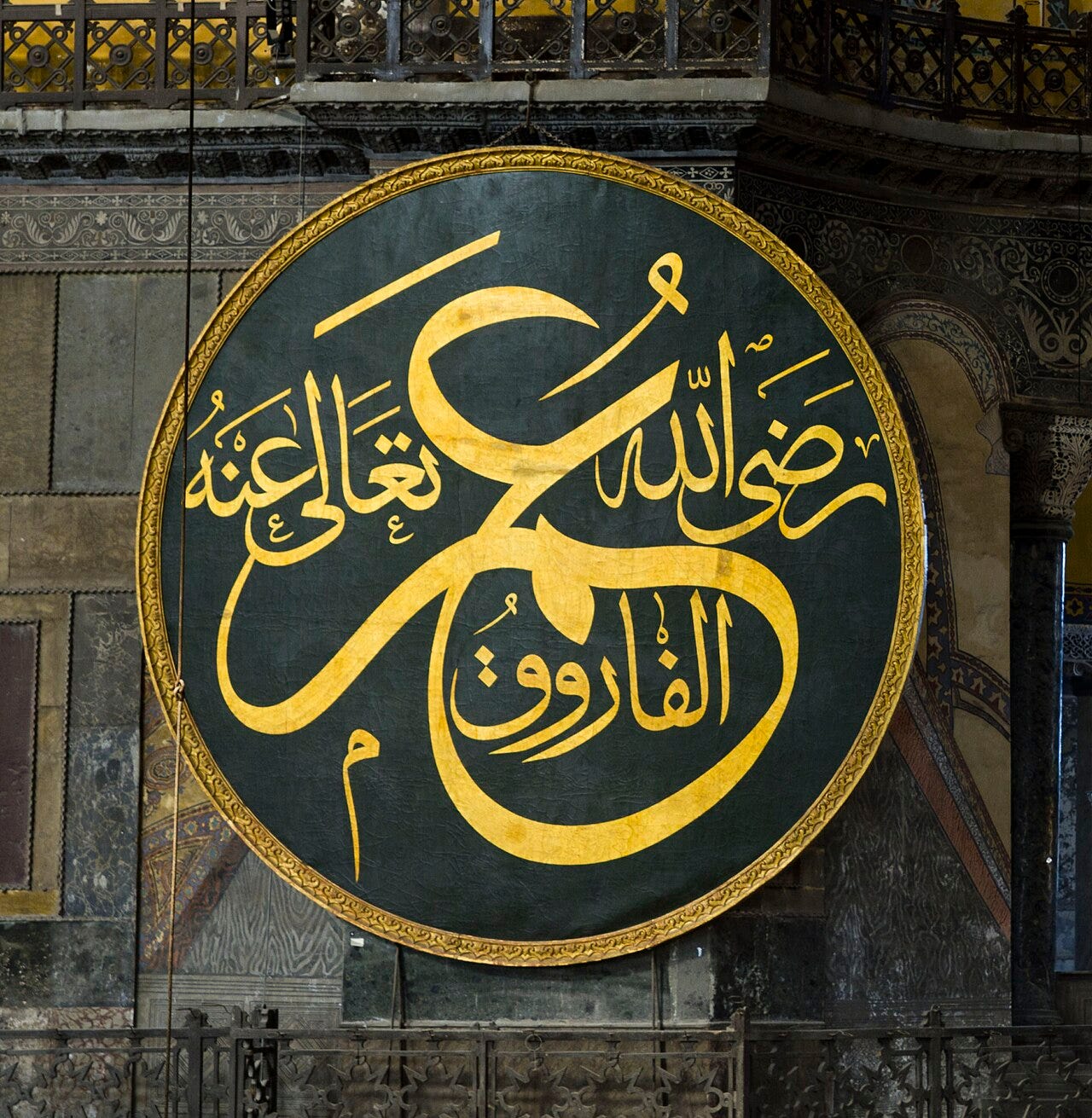
That person was Umar ibn al-Khattab.
Who Umar Was
Umar ibn al-Khattab was not a peripheral figure in Makkan society. He was a man of significant standing, strong tribal connections, a fierce temperament, and a reputation for being direct, uncompromising, and completely unafraid of confrontation.
He belonged to the Banu Adi clan of Quraysh. He was known as a man you did not provoke without consequences. He had served as an envoy for Quraysh, a role that required both social standing and the kind of personal authority that made others listen. He was physically strong, verbally forceful, and unapologetically confident in his positions.
