

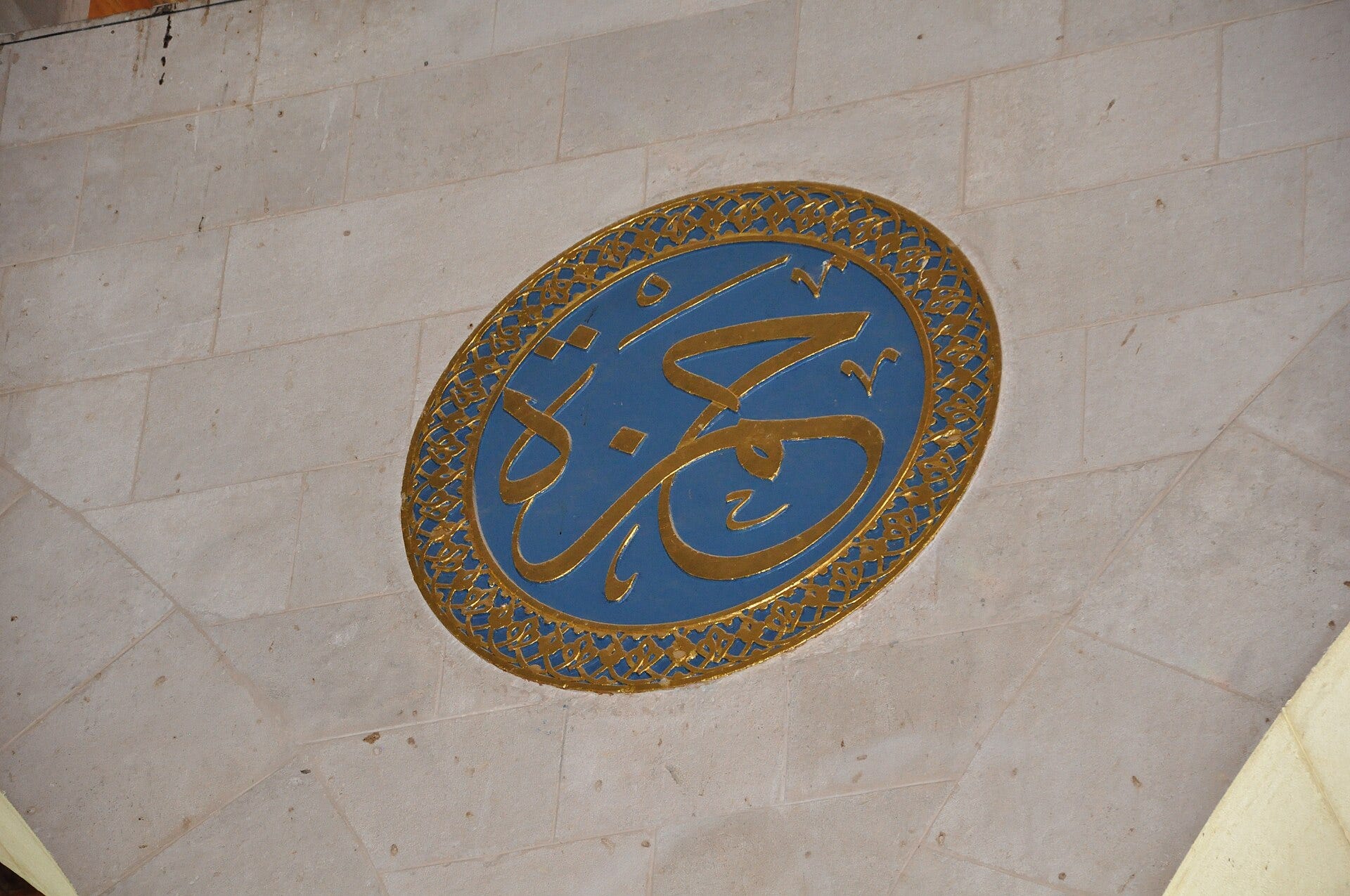
By the time Hamzah ibn Abd al-Muttalib accepted Islam, the Muslim community in Makkah had already endured years of mockery, social pressure, and open physical persecution. The weak had been tortured. The Prophet had been publicly humiliated. Quraysh had developed a coordinated campaign of ridicule and intimidation designed to isolate the Prophet and make Islam appear socially impossible to follow.
The Prophet had no army. He had no political office. What he had was a small group of believers, a divine mission, and the protection of his uncle Abu Talib, which was tribal and personal rather than ideological. Abu Talib had not accepted Islam, but his standing in Banu Hashim meant that attacking the Prophet directly carried social consequences.
That protection, however, only went so far. Quraysh leaders continued to target those without tribal cover. They continued to test the boundaries of what they could do to the Prophet himself. And they continued to believe that Islam would eventually collapse under enough pressure.
What they did not expect was that one of their own most powerful men would walk across the line and join the other side.
Who Hamzah Was
To understand why his conversion mattered, you have to understand what kind of man Hamzah was in Makkan society.
Hamzah ibn Abd al-Muttalib was born approximately two years before the Prophet Muhammad, around 568 CE. He was the Prophet’s paternal uncle, foster brother, and maternal second cousin. He belonged to Banu Hashim, the same clan as the Prophet, which already gave him a degree of shared standing but Hamzah’s personal reputation went well beyond his lineage.
He was known throughout Makkah as one of the strongest and most courageous men of his generation. He was a skilled hunter, an experienced warrior, and a man whose physical presence commanded respect. Quraysh did not fear many people within their own ranks. Hamzah was one of the few they genuinely did not want as an enemy.
This is the man who, on a single afternoon, changed the social calculation of the entire opposition to Islam.
The Incident at Safa
The event that triggered Hamzah’s conversion is recorded across the major seerah sources including Ibn Hisham, al-Tabari, Ibn Sa’d, and Ibn Kathir. The details vary slightly between narrations but the core sequence is consistent.
One day the Prophet Muhammad was seated near the hill of Safa. Abu Jahl passed by. What followed was not a debate or a dispute. Abu Jahl launched into a deliberate, public act of humiliation. He verbally abused the Prophet, insulted his message, and mocked him openly. The Prophet chose not to respond. He remained silent.
This silence was not weakness. It was restraint, but Abu Jahl read it as an invitation to go further. His aggression escalated. According to the account preserved in al-Tabari’s narration and supported by other seerah sources, Abu Jahl took a stone and struck the Prophet’s head, causing it to bleed. He then walked away and went to sit with the Quraysh assembly.
A slave-girl belonging to Abdullah ibn Jad’an had witnessed the entire incident. She watched it happen and said nothing in that moment because there was nothing she could do. But she remembered everything.
The Return from the Hunt
