

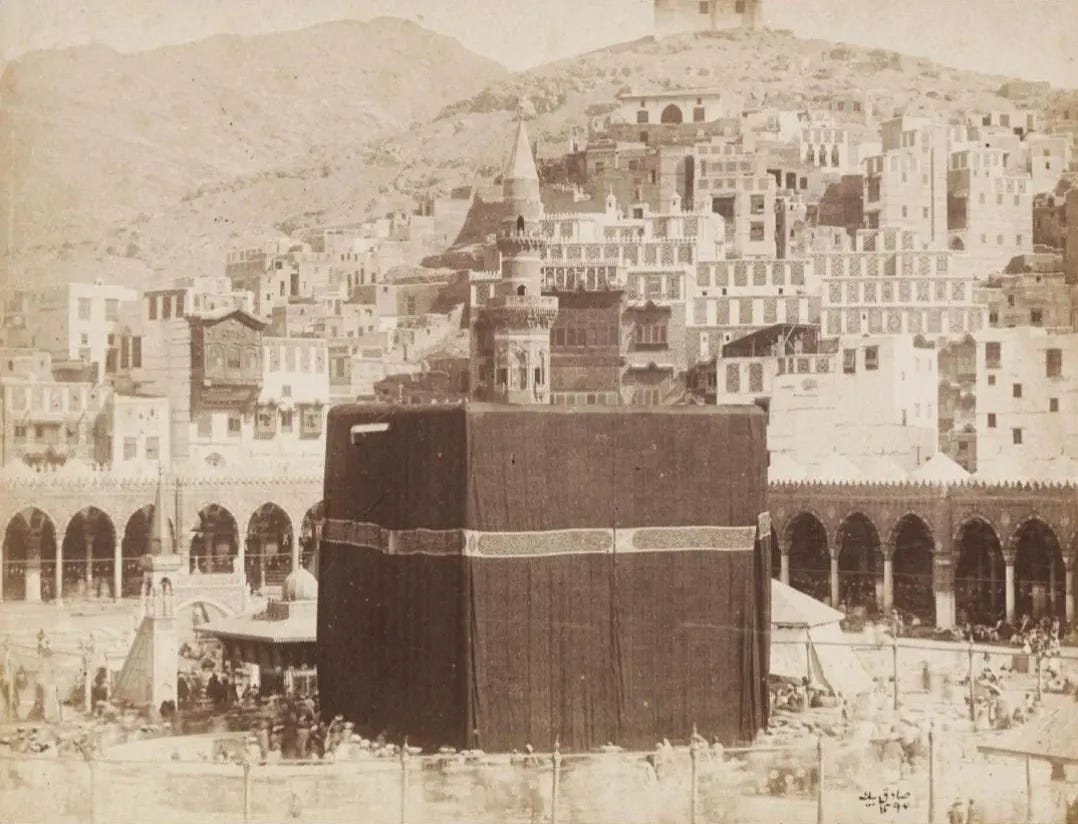
Around 613 CE once the call to Islam moved into public space, the reaction of Quraysh changed almost immediately.
What had begun as quiet curiosity turned into organized resistance. The message was no longer confined to private gatherings or whispered conversations. It was now spoken openly near the Kaʿbah, repeated in marketplaces, and heard within family councils. The leadership of Quraysh recognized that this was no longer something they could ignore or quietly contain.
At this stage, opposition shifted from disbelief to suppression. The aim was not debate. It was pressure, applied first to those who had the least protection.
Methods of Pressure and Harm
Quraysh used a range of tactics, escalating as the public call continued. Ridicule came first, followed by threats, then social and economic pressure. Converts were isolated from their families, cut off from trade, or publicly humiliated. Merchants who accepted Islam found customers avoiding them. Young people were shamed. Slaves were punished.
Prayer itself became a point of harassment. Even when Muslims tried to pray away from public view, they were followed, mocked, and sometimes attacked. Teaching continued, but secrecy became harder to maintain as the number of believers slowly grew.
The pattern was clear. Those without clan protection were targeted first.
